Work / Case study
Bayer
Making career development feel like a choice.
Turning a global talent programme into choices employees could understand and act on.
Digital experience strategy · Employee experience · 2018
- Client
- Bayer
- Project
- Global talent management engagement programme
- Year
- 2018
- Sector
- Life sciences
- My role
- Digital Experience Director, Siegel+Gale EMEA
- Themes
- Behaviour, Culture, Technology
- Sheet
- 25
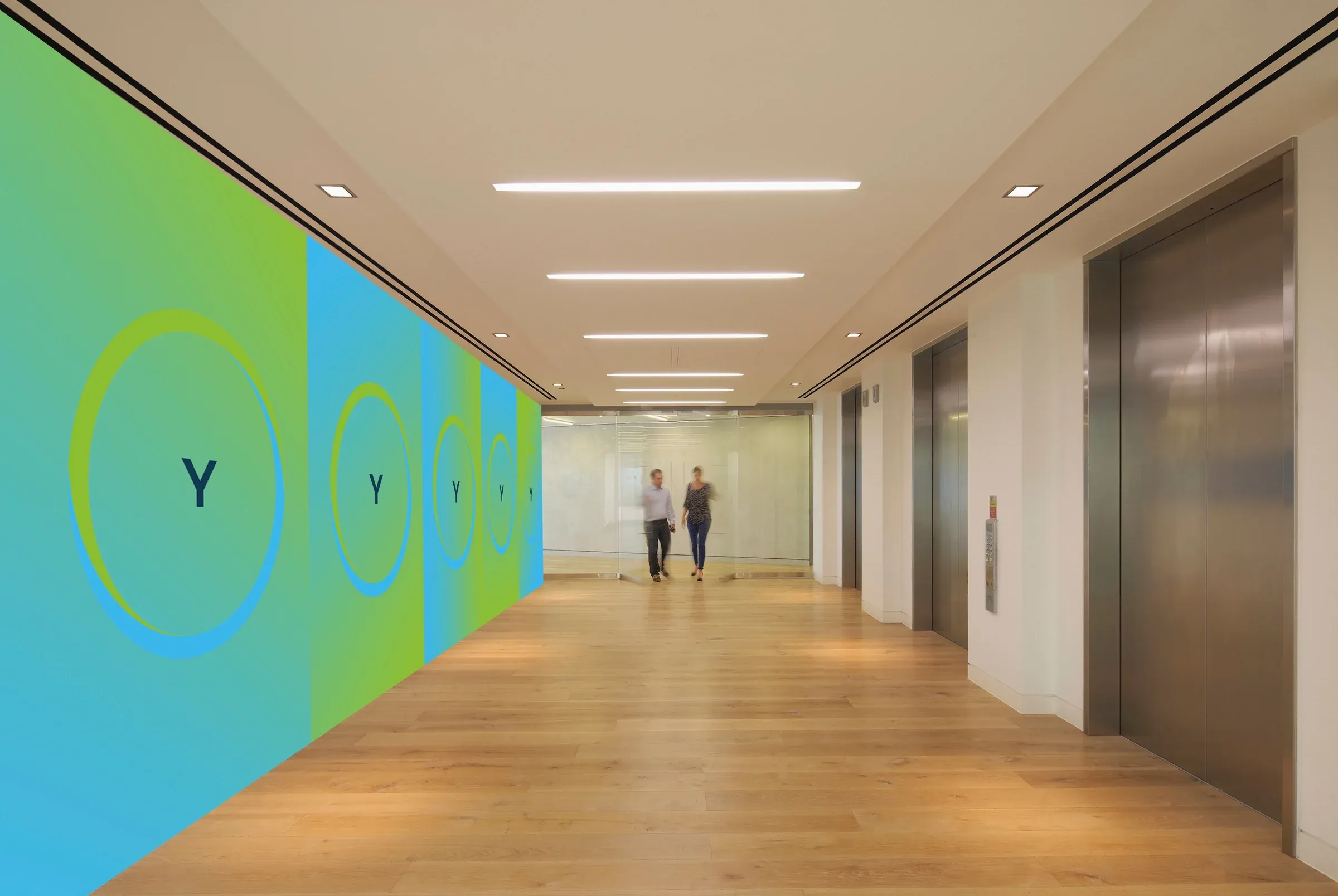
I led the digital experience strategy for Bayer’s global talent-management transformation, turning a complex HR programme into an employee journey people could understand, navigate and act on. The work connected campaign thinking, digital platforms and physical touchpoints across awareness, understanding, action and advocacy.
01 Challenge
A global change programme people had to believe in
Bayer was preparing to launch a new approach to performance and development across a vast, culturally diverse organisation.
The brief went beyond communicating a new HR programme. Bayer wanted a holistic engagement experience capable of inspiring enduring behaviour change, designed around three audiences with different needs: HR, leaders and employees.
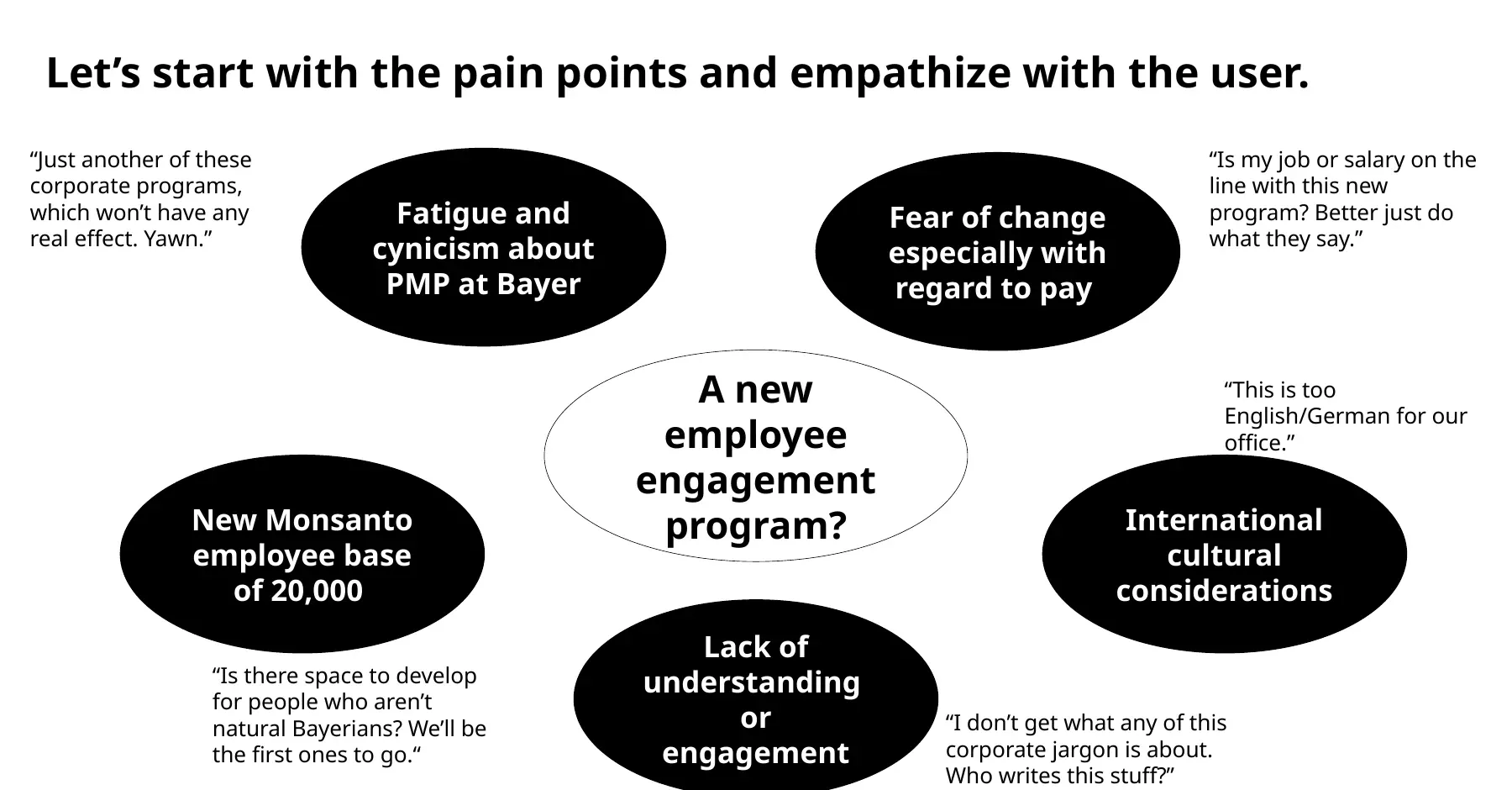
The context made the challenge harder. Employees were already dealing with competing corporate messages, including the Monsanto acquisition. The programme had to work across offices, functions and cultures, and encourage people to take greater responsibility for their own development.
The experience therefore had to answer a simple human question:
Why should I care about this change, and what can I actually do with it?
02 Experience strategy
From HR programme to employee journey
My remit was the digital experience response to that challenge.
I structured the programme around a behavioural journey:
Awareness → Understanding → Action → Advocacy
Each stage had a different job.
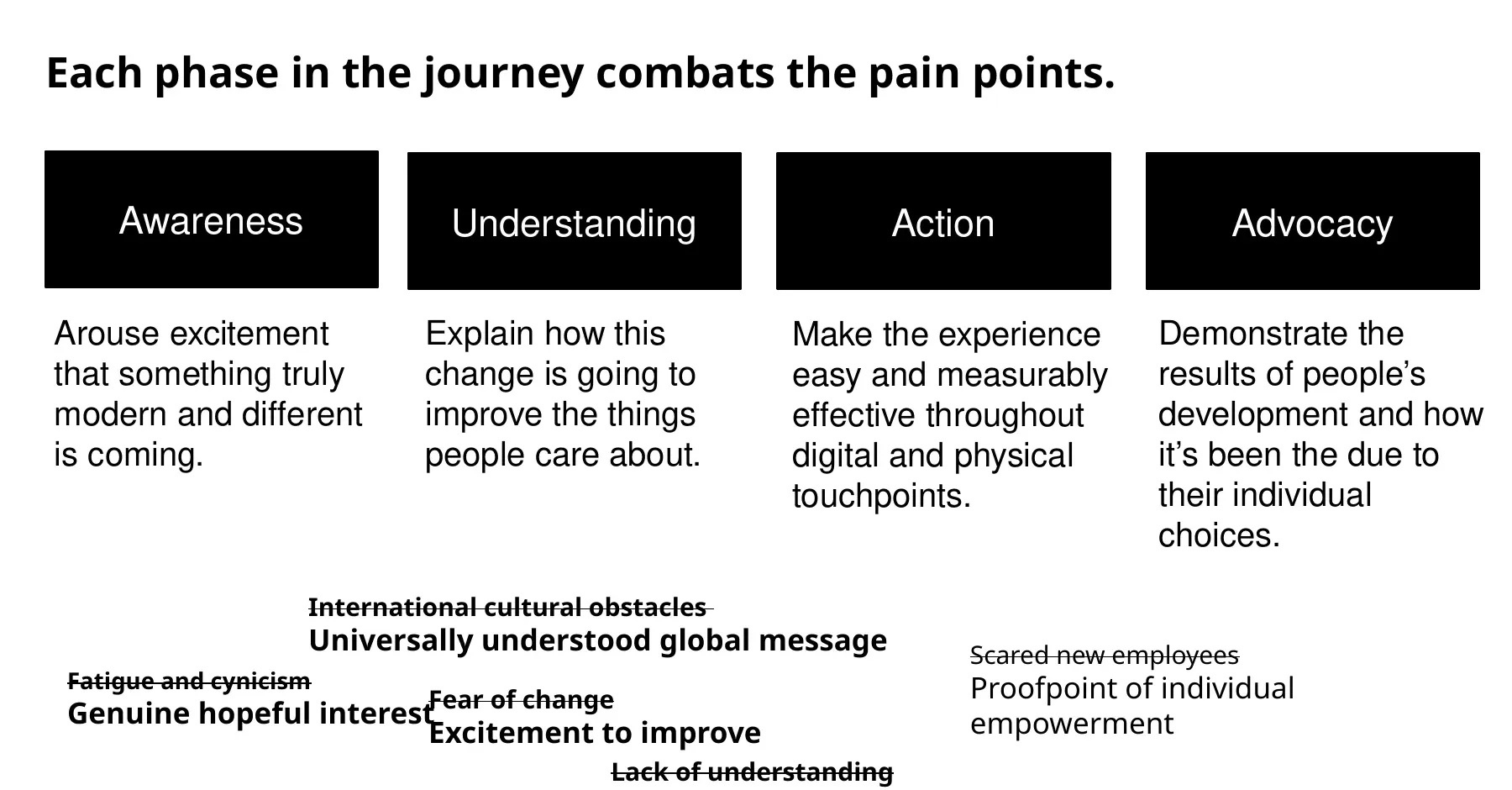
Awareness had to overcome cynicism and create interest.
Understanding had to turn corporate language into something intuitive and personally relevant.
Action had to make career development easier to initiate and continue.
Advocacy had to show progress, encourage peer participation and help the new behaviours endure.
We mapped the pain points against that journey, moving people from fatigue, confusion and fear towards interest, clarity, empowerment and participation.
That journey became the backbone for deciding what content, interaction and technology belonged at each stage.
03 Idea
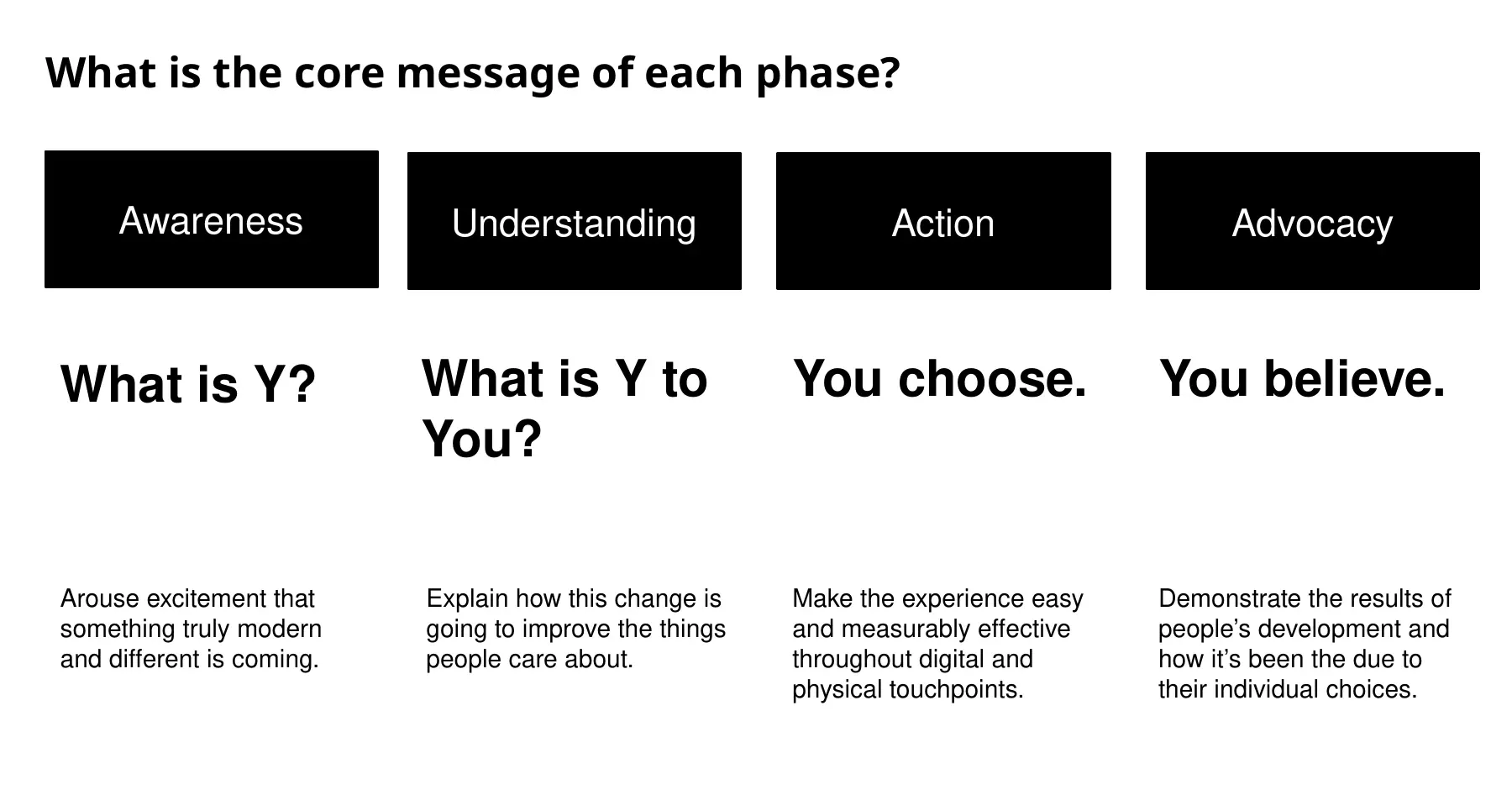
What is Y?
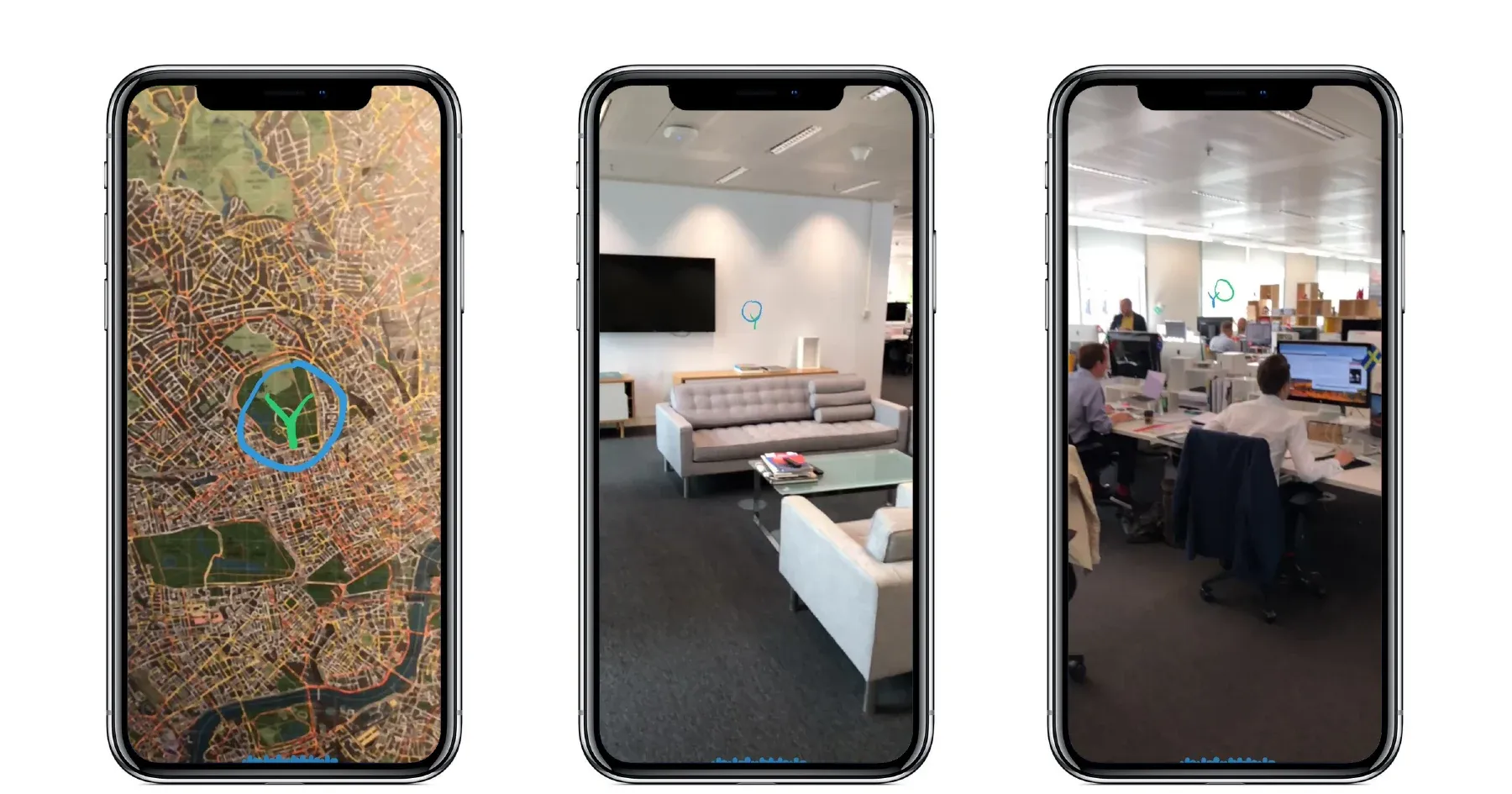
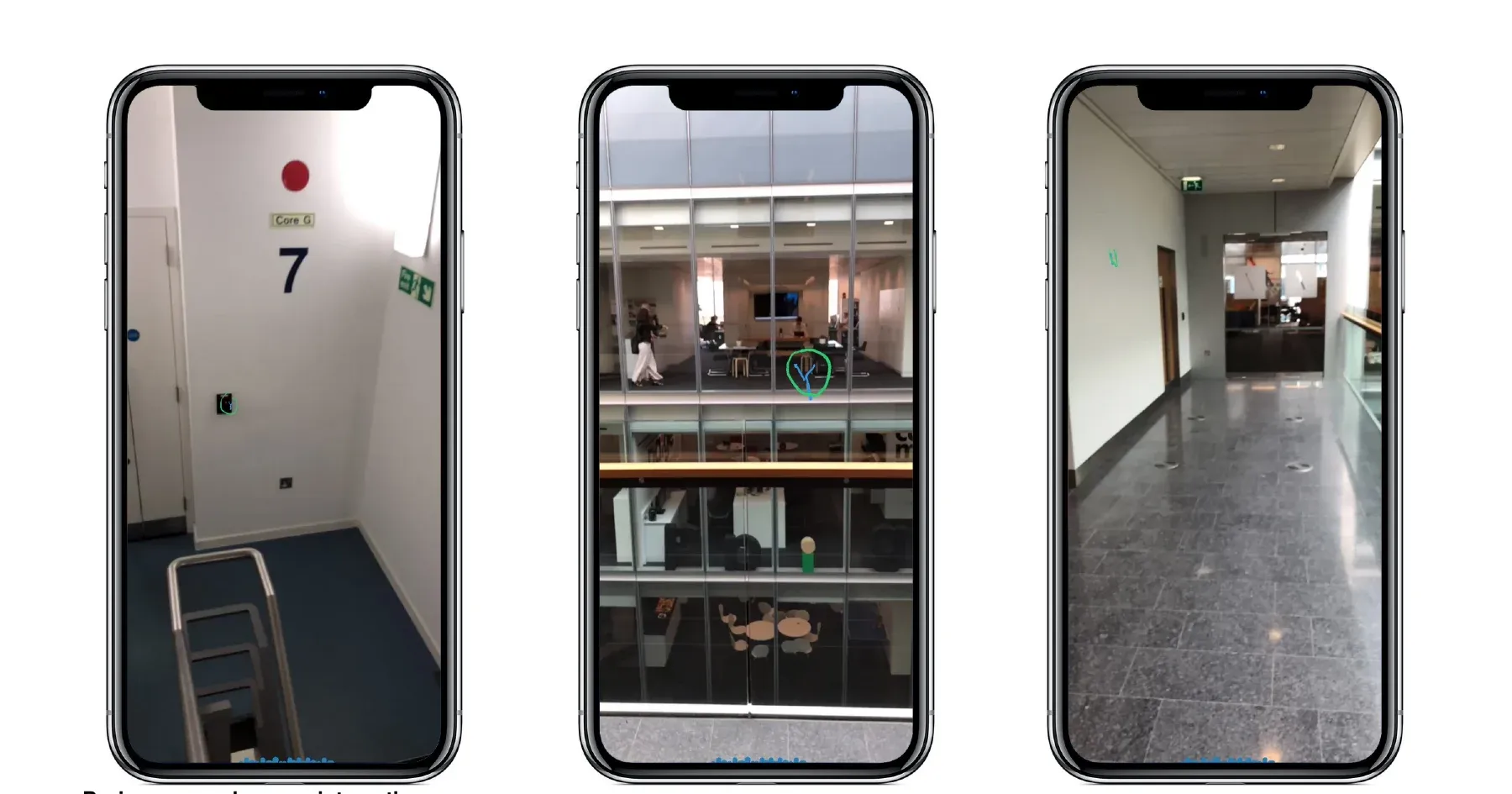
The creative platform used the Y as a metaphor for moments of choice.
What is Y?
What is Y to you?
You choose.
You believe.
The Y represented the fork in the road: moments when people make decisions about their careers, development and direction.
The idea gave an abstract talent-management programme a human starting point. Career development became something rooted in personal choices and conversations.
The experience culminated in the thought:
Life at Bayer starts with You.
The concept was designed to progress with the employee journey, from curiosity about the programme through personal stories and practical action to long-term belief and participation.
04 Digital ecosystem
One experience across digital and physical touchpoints
A central principle was that the programme should feel like one connected employee experience.
We defined five qualities for it:
Simple. Visible. Authentic. Flexible. Fresh.
Digital channels provided scale, access and continuity. Physical experiences created moments of human interaction and made the programme tangible. The two had to reinforce each other.
The ecosystem included an intranet takeover, campaign content, AR, video, podcasts, roadshows, town halls, physical installations, employee stories and leader and HR toolkits.
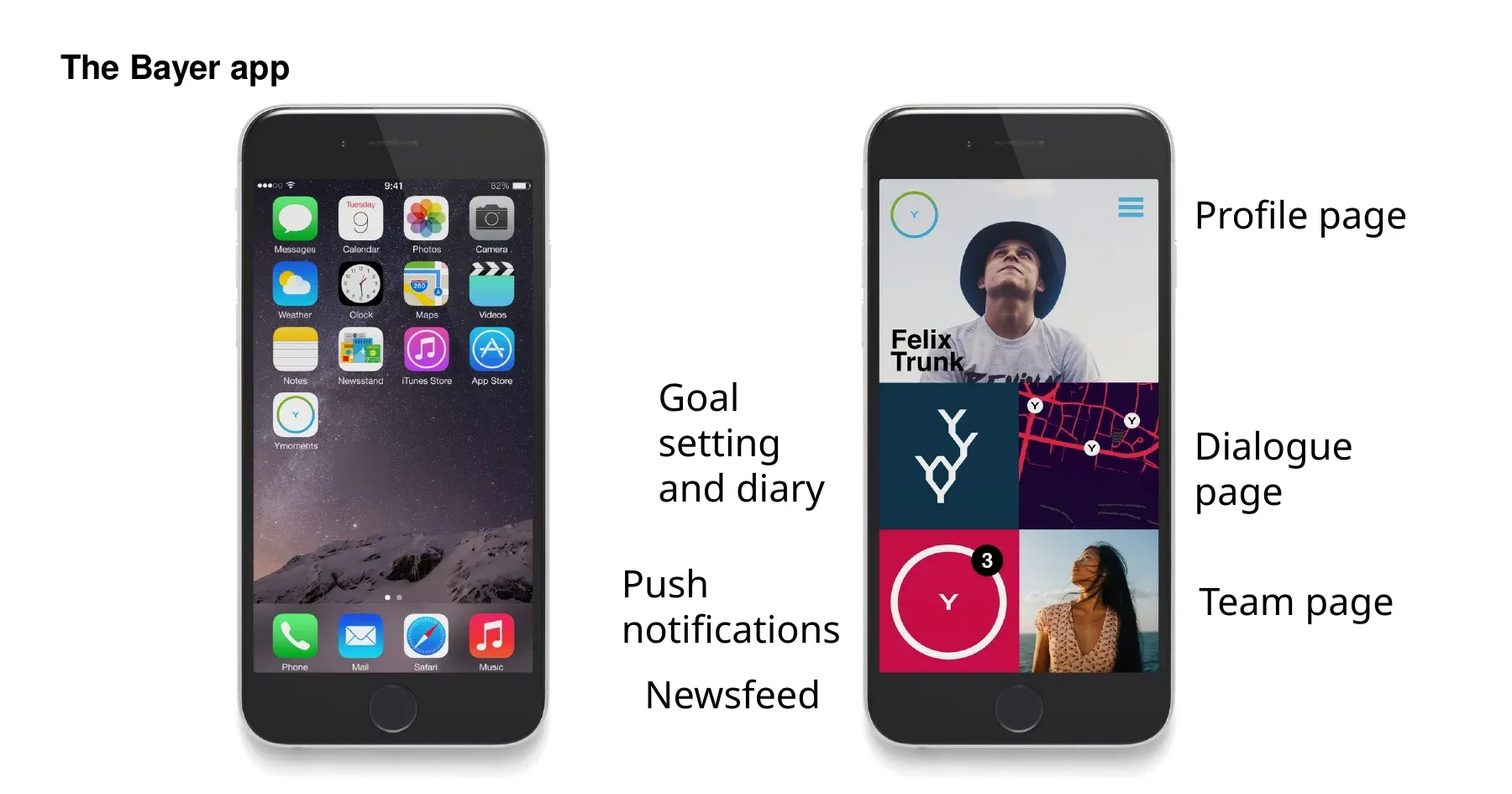
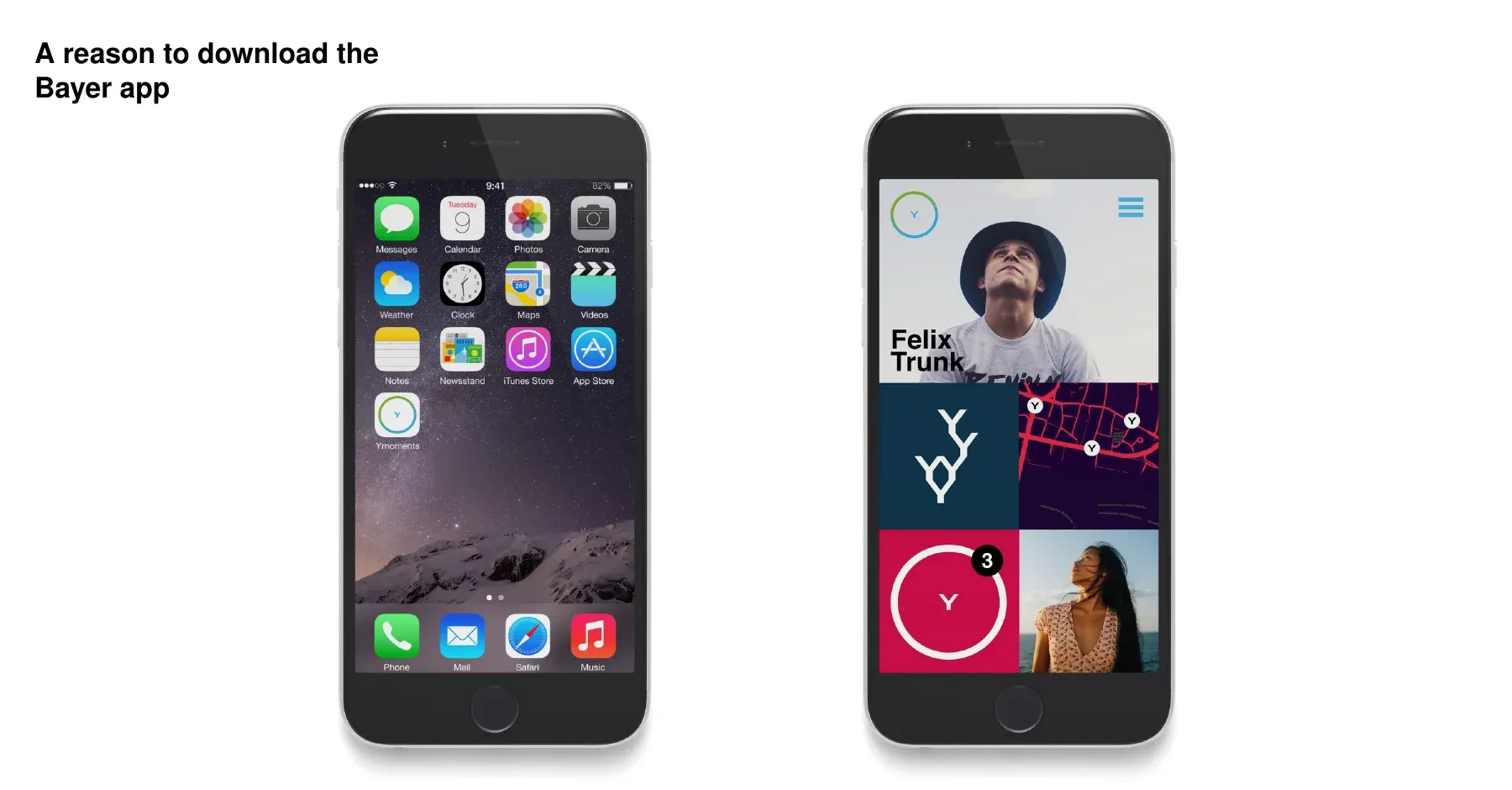
At the centre of the digital experience was the Bayer app, conceived as a single touchpoint connecting people to information and ongoing career-development activity. Features explored included profiles and teams, push notifications, dialogue, goal setting, personal development diaries, progress tracking, maps for walking meetings, voice communication and peer mentoring.
This mattered because the experience had to continue after the launch campaign. Employees needed somewhere to have the conversations, set goals and see progress.
05 UX
Designing the infrastructure behind the experience
The digital strategy also went down to the practical UX level.
For Bayer’s SharePoint environment, the work began with discovery: auditing the existing talent-management intranet, reviewing analytics, evaluating SharePoint solutions and understanding audience behaviour through personas.
From there, my remit covered the digital experience strategy: the role of the intranet and other digital channels, user flows, the experience roadmap, content and search requirements, information architecture, taxonomy and nomenclature, modular UX and the interface system.
The goal was to make information easy to find, give the new programme prominence and create an experience that could expand over time as new content and functionality were introduced.
The work extended through implementation oversight, ensuring the designed experience could translate properly into Bayer’s technical environment across desktop, tablet and mobile.
06 Behaviour
Designing for what people would actually do
The most interesting part of the project was treating behaviour as part of the experience design.
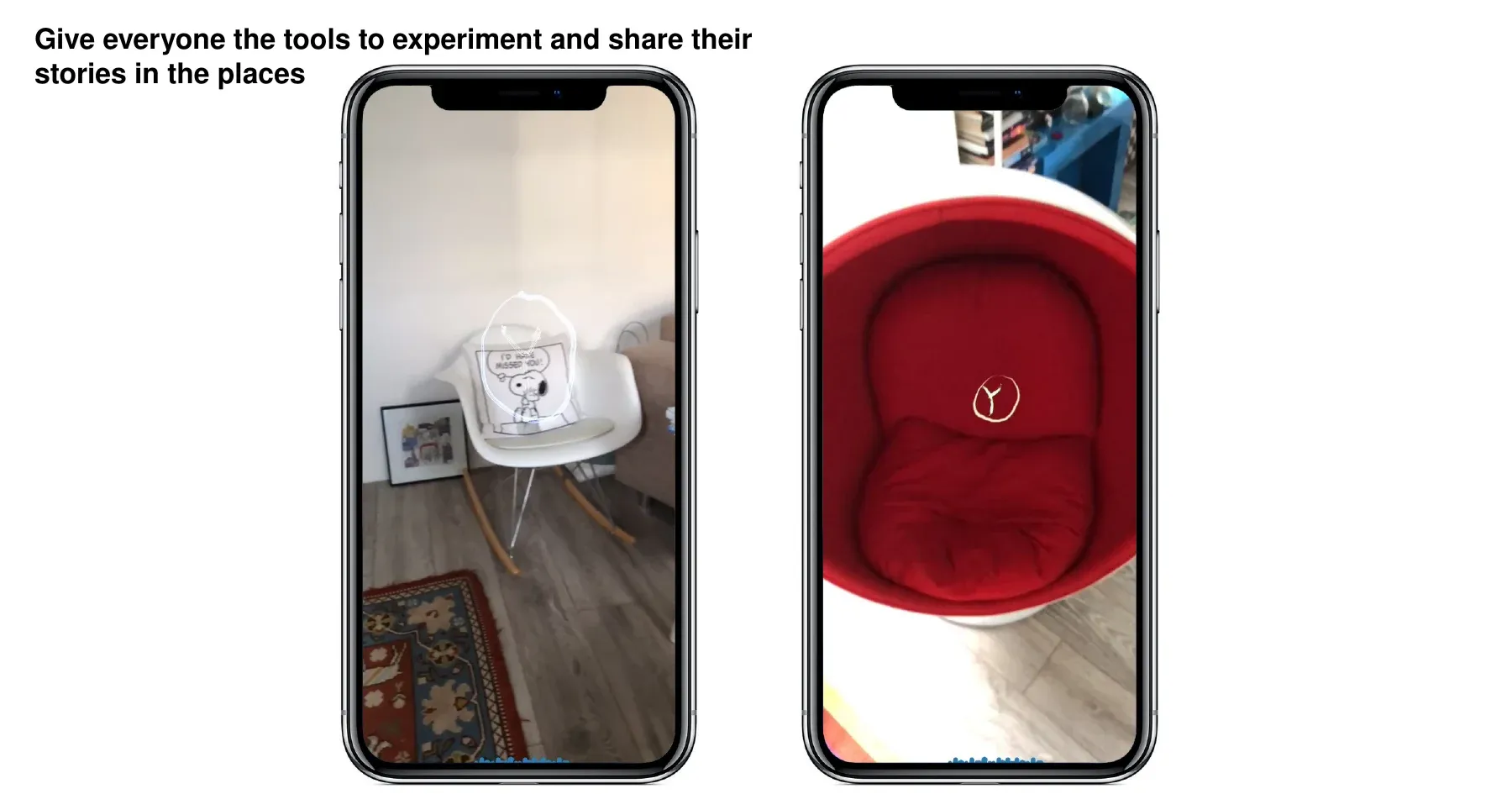
At the action stage, employees could initiate conversations, set goals, keep a development diary, choose where review conversations happened and take part in peer mentoring. Managers and HR had corresponding tools to support those behaviours.
At the advocacy stage, the ecosystem expanded into progress tracking, team-level development, employee stories, analytics and gamified recognition.
The digital experience therefore acted as part of the change mechanism itself.
07 What I contributed
Digital experience as change strategy
As Digital Experience Director for Siegel+Gale EMEA, I led the digital and experiential thinking within the response to Bayer’s brief.
I translated the behaviour-change objective into an end-to-end employee journey, defined how digital and physical touchpoints should work together, developed the role of the Bayer app and intranet, mapped user flows and behaviours, and established the UX strategy for an experience capable of working across a global organisation.
The result was a framework that connected brand, employee experience and behaviour change: a campaign could create attention, stories could create understanding, digital tools could make action easier, and the experience could continue long enough for new behaviours to become part of everyday working life.
Selected artefacts

- 01What we created
- Digital experience strategy
- Employee journey: awareness, understanding, action, advocacy
- Bayer app concept
- Intranet UX strategy and information architecture
- User flows and experience roadmap
- Implementation oversight
- 02My role
I led the digital and experiential thinking within Siegel+Gale’s response to Bayer’s brief.
Connected work
Framery
Helping people find their space to focus.
We rethought how people discover, compare and buy workplace pods across Framery’s global digital experience.
View case
Behaviour · Culture · Technology · Growth
Finnvera
A little optimism can start something bigger.
We gave Finnvera a clearer role in the story of Finnish business growth.
View case
Growth · Behaviour · Culture
Katrin
Moving a tissue brand from selling paper to sharing what it knows about cleanliness.
View case
Behaviour · Culture · Transformation