Thinking / Essay
Branding the next industrial economy
How do you build belief in something the market has never seen before?
Some of the most interesting companies I work with are surprisingly difficult to explain.
They make protein using electricity and microbes.
They turn algae into industrial ingredients.
They recover valuable metals from liquid industrial side streams.
They capture carbon through building ventilation.
Often, there is no familiar category to place them in. Sometimes the factory barely exists yet. Regulation may still be catching up. The first large-scale customer might be years away.
And yet these companies need people to act now.
Investors need to invest. Partners need to collaborate. Regulators need to understand. Engineers need to join. Customers need to imagine how a new technology might eventually fit into their business.
That makes brand strategy unusually important.
A mature company can point to what already exists.
An emerging industrial company often has to make people believe in something that is still becoming real.
I think of this as branding the next industrial economy.
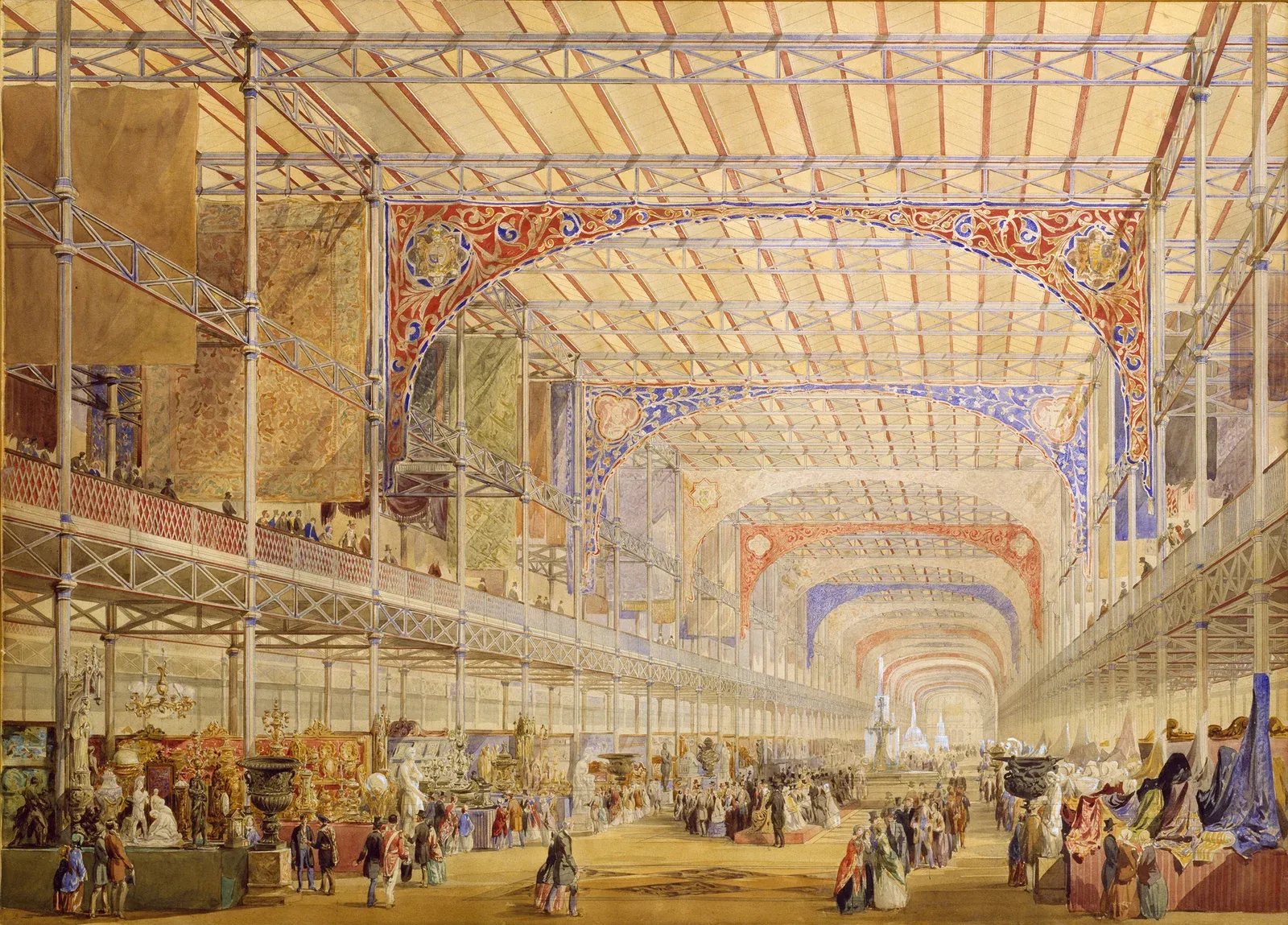
The Great Exhibition of 1851 filled the Crystal Palace with machinery, materials and manufactured goods from a rapidly changing industrial world. Visitors could physically walk through technologies and products that were still unfamiliar, turning abstract industrial change into something visible, tangible and believable.
The strategic task begins with making the unfamiliar understandable.
New technologies tend to arrive wrapped in their own vocabulary: processes, molecules, yields, efficiencies, acronyms and technical distinctions that matter enormously to the people building them.
A brand has to find the level above that detail.
With Solar Foods, the scientific breakthrough behind Solein was extraordinary. Yet the meaningful leap in the story came when it moved from the science pages towards the culinary pages. A protein made with electricity became something you could picture eating.
For Origin by Ocean, algae chemistry became an industrial ambition: making the chemical industry run on algae.
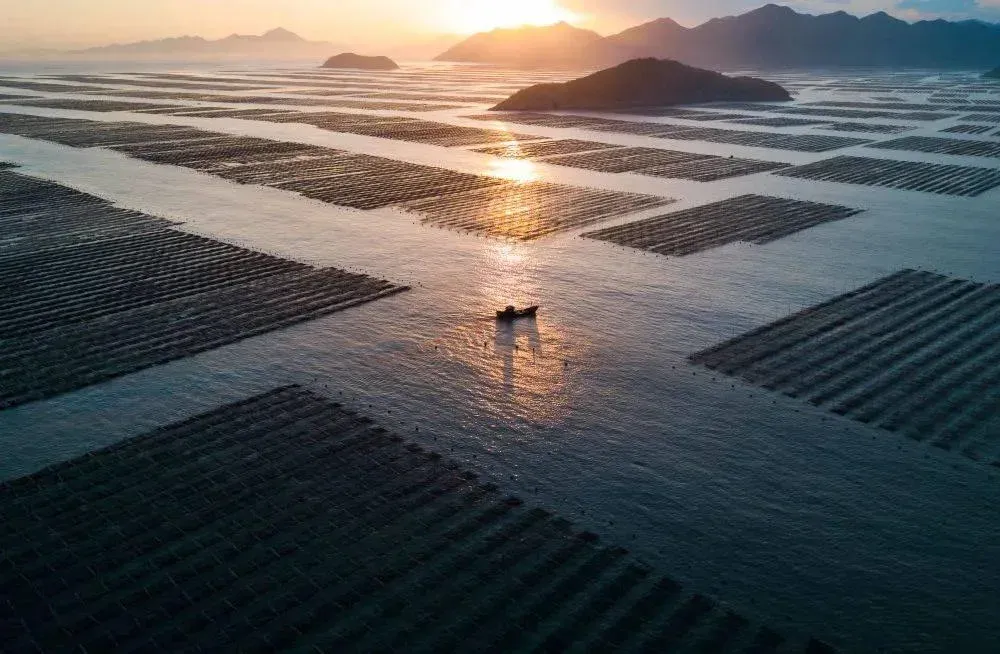
A seaweed farm turns coastal biomass into the first stage of an industrial supply chain. What looks like a simple cultivation landscape can become feedstock for materials, chemicals and ingredients, showing how a new industry often begins with a familiar natural resource used in an unfamiliar way.
For Elmery, an unfamiliar metal-recovery technology became a simple mission: Every gram back in play.
These are acts of compression.
The point is not to remove the science. The science provides credibility. The brand provides the mental model people use to understand why the science matters.
The second task is making the future desirable.
Industrial innovation is often sold through avoidance.
Less carbon. Less waste. Less extraction. Less damage.
All of those things matter, but absence is difficult to desire.
The more compelling question is what becomes possible.
Can food production become independent of agriculture?
Can coastal restoration become the starting point of a new industrial supply chain?
Can cities actively remove carbon?
Can materials stay in productive circulation for longer?
These are different kinds of futures. People need to picture them before they can participate in creating them.
The third task is building credibility before scale.
This is one of the peculiarities of deep tech. Brand ambition often has to run several years ahead of operational reality.
That creates a delicate balance.
The story must be large enough to attract attention, capital and talent. It also needs to be precise enough to survive contact with engineers, scientists, regulators and sophisticated industrial buyers.
Overclaiming is expensive.
Underclaiming can be equally costly because genuinely transformative technology ends up sounding like another technical component.
The strongest science-led brands learn to move fluently between different levels of the story.
Here is the system we want to change.
Here is the role we can play in changing it.
Here is the technology that makes that possible.
Here is the evidence that shows it works.
Here is what you can do with us today.
That sequence matters.
I have become increasingly interested in this category of brand because it reveals something fundamental about strategy.
Brands are often described as ways of differentiating similar products.
In emerging industries, the problem can be the opposite.
The product is so different that people lack the category, language and assumptions required to evaluate it.
Branding then becomes an act of sense-making.
Before a market can choose between competitors, somebody has to make the market imaginable.